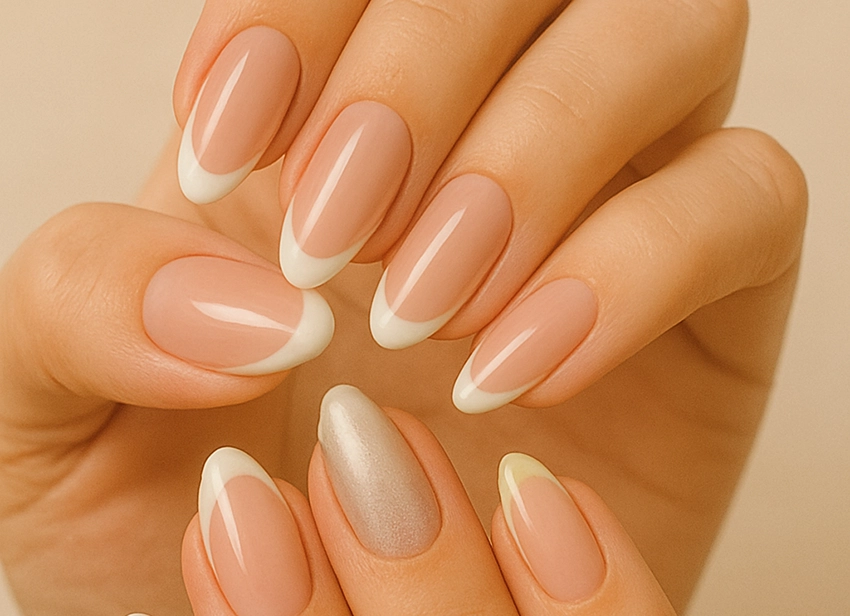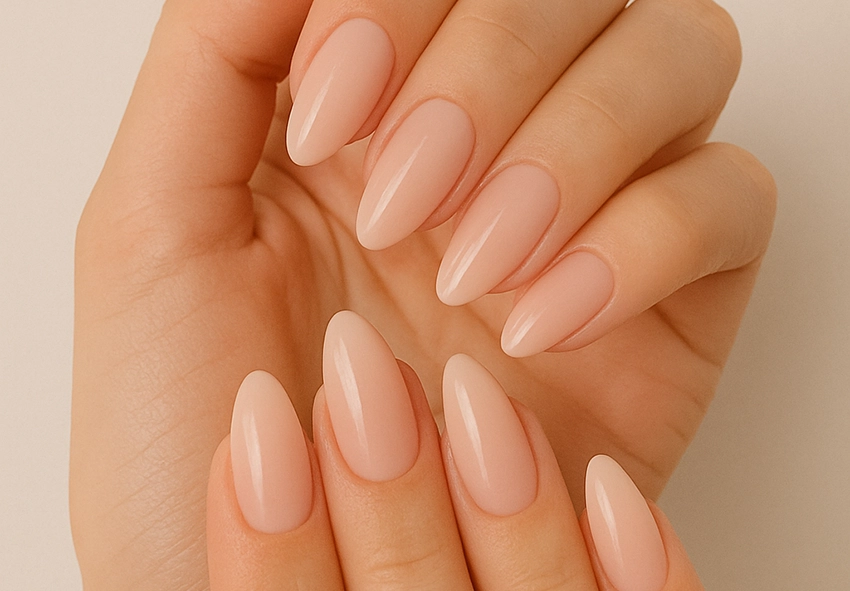
If you work with modern nail enhancement systems, you have probably asked yourself this at least once: does Acrylgel actually last longer than builder gel, or is it just hype?
The comparison between Acrylgel and builder gel is one of the most common professional debates in nail salons today. Clients want durability. Technicians want control. And everyone wants fewer cracks, fewer repairs, and longer wear time.
The truth is not black and white. Durability depends on structure, flexibility, lifestyle, and correct application. In this in-depth guide, we will explore the real structural differences between Acrylgel (also widely known as Polygel), and traditional builder gel. You will learn how they behave under stress, when each system performs best, and which one truly offers stronger long-term results.
Let’s begin with the foundation: material science.
What Is Acrylgel and Why Is It Also Called Polygel?
Acrylgel is a hybrid nail enhancement system that combines acrylic powder strength with gel flexibility. In many markets, the same technology is referred to as Polygel or hybrid gel system. The name Polygel became popular because it emphasizes the polymer-based structure that merges two classic chemistries.
Unlike traditional acrylic, Acrylgel does not cure in air. It remains moldable until exposed to UV or LED light . This eliminates time pressure and allows full structural control during sculpting.
Fusion AcrylGel, for example, is described as:
- High density
- Non-flowing
- Odorless
- UV/LED curing
- HEMA free
- Easy to shape and control
Because it does not self-level aggressively, it stays exactly where the technician places it . This gives exceptional control over apex placement and stress-point reinforcement.
The term Polygel is often used interchangeably with Acrylgel. Both describe the same category: a dense, sculptable hybrid system that merges acrylic durability with gel comfort .
What Is Builder Gel?
Builder gel is a classic UV/LED-curing sculpting gel used for overlays and extensions. It typically has a self-leveling consistency, meaning it flows and smooths out naturally before curing.
Builder gel systems range from soft to hard viscosity types. Soft builder gels are more flexible, while hard builder gels offer more rigidity.
Its main advantage is smoothness. Because it self-levels, it creates an even surface quickly. However, this flow can also thin critical structural areas if not carefully controlled.
Durability in builder gel depends heavily on correct apex design and thickness balance.
The Structural Difference That Impacts Wear Time
The real durability difference lies in polymer density.
Acrylgel has a thicker, more compact internal structure . This gives it higher resistance against bending forces. At the same time, it retains slight flexibility, which reduces brittleness.
Builder gel is generally more elastic. This elasticity can be beneficial on short natural overlays but may reduce stability in longer extensions.
When nails experience daily stress from typing, lifting, cleaning, or impact, structure matters more than surface smoothness.
In long extensions, Polygel systems often provide superior resistance to stress fractures.
Control During Application
Application control directly influences longevity.
Acrylgel remains stable before curing . It does not move into sidewalls unless pushed . This allows technicians to build architecture slowly and intentionally.
Builder gel, due to its flow, requires quicker brush technique. If the material levels too much, the stress point may become too thin.
Balanced thickness equals balanced stress distribution. And balanced stress distribution equals longer wear.
Flexibility vs Stability
Builder gel offers greater flexibility. On natural-length nails, this flexibility absorbs micro-impacts effectively.
Acrylgel provides controlled flexibility with added structural strength .
In practical terms:
For short overlays → Builder gel performs beautifully.
For medium length → Both systems can be equally durable.
For long or extreme shapes → Acrylgel generally provides more stability.
The hybrid formula creates a stronger backbone for extended structures.
How They Perform in Real Life
Imagine two identical almond-shaped extensions.
One is sculpted with builder gel.
The other is built with Acrylgel.
Both clients type daily and occasionally perform household tasks.
After three weeks, the builder gel set shows slight stress-line weakening. The Polygel set remains structurally intact.
This does not mean builder gel is weak. It means hybrid density handles repetitive bending differently.
Comfort and Sensitivity
Traditional acrylic systems require strong monomers. Acrylgel does not .
Additionally, HEMA free formulations reduce sensitivity risks.
Builder gel may also offer HEMA free versions, but this varies by brand.
For clients prone to allergic reactions, hybrid gel systems can offer a more comfortable experience.
Filing and Finishing
Because Acrylgel can be shaped precisely before curing , filing time may be reduced.
Builder gel may require more refinement if leveling created slight imbalance.
Overall timing depends on technician experience.
Which Is Better for Beginners?
Many educators recommend Polygel systems for students because the material does not run . Without time pressure, beginners can focus on structure.
Builder gel requires faster hand control due to its flowing nature.
For learning apex placement and stress-point balance, Acrylgel often feels safer.
Removal and Maintenance
Both systems require proper removal techniques.
Acrylgel is typically filed off due to density. Builder gel removal depends on formulation.
Incorrect removal causes more damage than the material choice itself.
When Builder Gel Makes More Sense
Builder gel is excellent when:
- Creating short, natural overlays
- Working on highly flexible nail plates
- Prioritizing ultra-lightweight feel
- Performing quick refills
Its elasticity supports natural movement.
When Acrylgel Is the Smarter Choice
Acrylgel or Polygel is ideal when:
- Building long extensions
- Creating extreme shapes
- Working with clients who experience frequent breakage
- Serving active lifestyles
- Teaching beginners
- Working in sensitivity-conscious environments
Because the hybrid formula combines acrylic strength with gel flexibility , it creates structural security.
Does Acrylgel Always Last Longer?
Not automatically.
Longevity depends on:
- Correct preparation
- Balanced apex
- Proper curing
- Nail plate compatibility
- Client behavior
However, in high-stress situations, Acrylgel often outperforms traditional builder gel in terms of crack resistance.
Why Hybrid Systems Are Gaining Popularity
The rise of Polygel technology reflects modern demand for:
- Structural control
- Reduced odor
- Beginner-friendly handling
- High durability
- Sensitivity awareness
The hybrid system bridges the gap between acrylic rigidity and gel comfort.
Final Verdict
If you prioritize maximum structural resistance in longer extensions, Acrylgel generally delivers stronger performance.
If you prefer ultra-light flexibility for short natural nails, builder gel remains an excellent choice.
The honest truth is that neither system is universally superior. The best result happens when structure matches purpose.
Acrylgel is not just a trend. It is a balanced engineering solution that merges two classic systems into one controllable, durable hybrid.
Choosing between Acrylgel and builder gel is less about popularity and more about structural logic.
When architecture aligns with lifestyle, durability follows.