You have seen them glowing across your feed, those sci-fi face masks bathing someone’s skin in red light while they relax on the sofa. The red light therapy mask has gone from clinic-only treatment to a bathroom-shelf staple, promising smoother, firmer, clearer skin at home. But do they actually work, or is it clever marketing wrapped in a futuristic shell? This guide cuts through the hype with the real science, honest expectations, and practical advice so you can decide whether one belongs in your routine.
Quick Answer: A red light therapy mask is a wearable device that delivers specific wavelengths of red and near-infrared light to the skin to stimulate cellular activity. The science, known as photobiomodulation, has reasonable evidence for improving fine lines, skin texture and some acne, and many devices are FDA-cleared for these uses. Results are gradual and modest rather than dramatic, require consistent use over weeks, and vary by device power. It is not a miracle cure, but for many people it delivers a real, visible improvement in skin quality.
What Is a Red Light Therapy Mask?
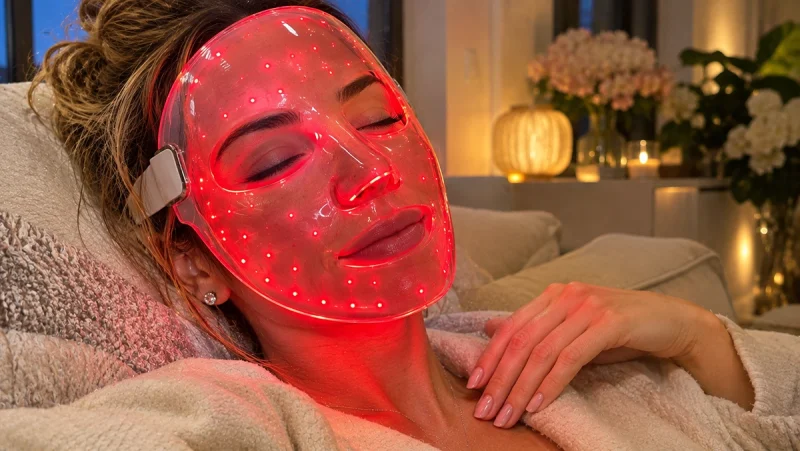
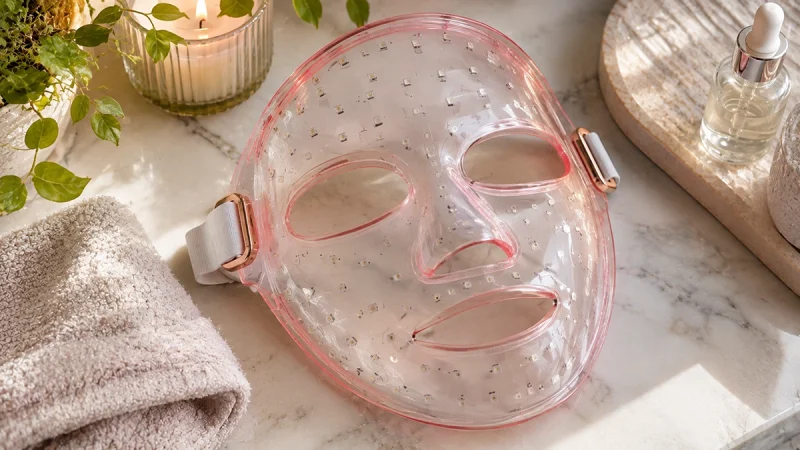
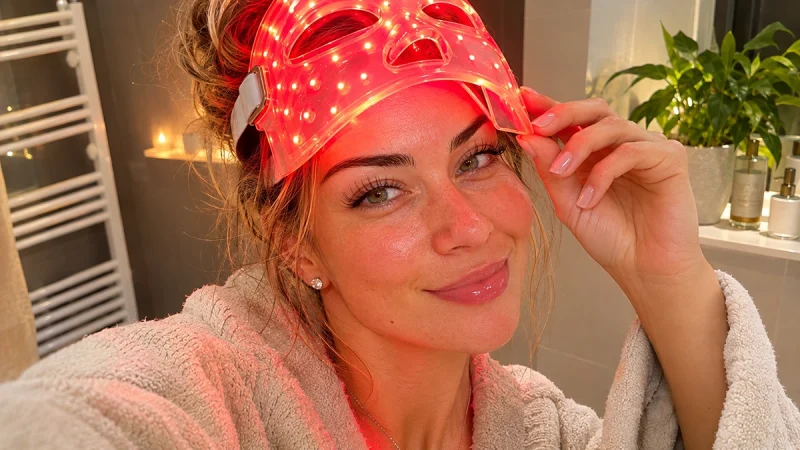
A red light therapy mask is a wearable skincare device, usually shaped to fit the face, that delivers controlled doses of red and near-infrared light to the skin. Fitted with dozens or hundreds of small LEDs, it bathes the face in specific wavelengths of light for a set number of minutes, with the goal of stimulating the skin’s own repair processes. Think of it as bringing a treatment once reserved for dermatology clinics and spas into your own bathroom.
The technology behind it is not new. Light-based therapy has been studied for decades, and NASA famously researched red light for wound healing and plant growth. What is new is the home device boom: affordable, flexible silicone and rigid plastic masks have made a red light therapy mask accessible to anyone, which is exactly why they have exploded across social media and beauty routines alike.
It is important to know what a red light therapy mask is not. It is not a tanning or UV device, and it emits no ultraviolet light, so it does not carry the skin-cancer risk associated with sunbeds. It is also not the same as the blue light used specifically for acne, though many masks combine both. Understanding this distinction matters, because the appeal of a red light therapy mask rests on it being a gentle, non-invasive, non-UV treatment you can use regularly at home.
How Does a Red Light Therapy Mask Work?
A red light therapy mask works through a process called photobiomodulation, where specific wavelengths of light are absorbed by your cells and gently nudge them to work more efficiently. The science sounds complex, but the core idea is approachable: light is energy, and the right kind of light can act as a mild signal that encourages skin cells to repair and renew.
The key is wavelength, measured in nanometres. Red light, typically around 630 to 660 nanometres, penetrates the upper layers of skin and is associated with collagen support and a brighter, smoother surface. Near-infrared light, around 830 to 850 nanometres, reaches deeper and is linked to tissue repair and reduced inflammation. A quality red light therapy mask delivers one or both of these ranges at a meaningful intensity, which is what separates an effective device from a weak novelty.
At the cellular level, the leading theory is that this light is absorbed by the mitochondria, the energy factories inside cells. The light appears to boost their production of ATP, the fuel cells run on, giving them more energy to carry out repair and renewal. For a plain-English explanation of light and energy-based therapies more broadly, our guide to PEMF therapy covers a related family of at-home wellness devices.
The honest caveat is that this is stimulation, not transformation. A red light therapy mask encourages your skin to do what it already does, a little better. That is why results build slowly and why the quality and power of the device matter so much, points we will return to when choosing one.
Do Red Light Therapy Masks Actually Work?
This is the question everyone asks, and the honest answer is a qualified yes: a red light therapy mask can produce real, measurable improvements in skin, but the results are modest and gradual rather than dramatic. Managing expectations is the single most important part of being happy with one.
The evidence is genuinely encouraging for certain uses. Multiple studies on red and near-infrared light show benefits for fine lines, skin elasticity, texture and some inflammatory acne. This is why many home devices carry FDA clearance for wrinkles or acne, a meaningful signal that they have met a safety and basic efficacy bar. For a reliable, non-commercial overview of the evidence, the Cleveland Clinic’s guide to red light therapy is a sensible place to start, and much of the underlying research is indexed on PubMed.
That said, the research has real limits. Many studies are small, industry-funded, or conducted with powerful clinical devices rather than consumer masks, so home results can be gentler. A cheap, low-power red light therapy mask may do very little, while a well-engineered one used consistently can visibly improve skin quality over eight to twelve weeks. The device, the dose and the consistency all decide the outcome.
The fair conclusion: a red light therapy mask is not snake oil, but it is not a facelift either. For realistic skin-quality goals, used regularly, it is one of the better-supported at-home beauty technologies, in the same evidence-building category as other wellness devices such as Bemer therapy.
What Are the Benefits for Skin and Beyond?
The appeal of a red light therapy mask lies in a short list of well-studied benefits, most of them centred on skin quality and comfort. Knowing what it realistically delivers helps you decide whether those benefits match your goals.
The headline benefit is anti-ageing. By supporting collagen and elastin, red light can soften the look of fine lines, improve firmness and give skin a smoother, more even texture over time. It will not erase deep wrinkles, but it can make skin look fresher and more resilient, which is why it appeals to anyone watching the early signs of ageing, a topic our guide to the appearance of fine lines explores in depth. Many users also report a brighter, more radiant complexion after a few weeks.
Acne is the second major use. Red light’s anti-inflammatory effect can calm redness and irritation, and masks that pair red with blue light target acne-causing bacteria too, offering a drug-free option for mild to moderate breakouts. Reduced inflammation also means red light is often used to soothe general redness and support the skin’s recovery after other treatments.
Beyond the face, the same photobiomodulation principle is studied for muscle recovery, joint comfort and wound healing, though a facial red light therapy mask is designed specifically for skin. A quiet bonus many people value is the ritual itself: ten relaxing minutes of self-care, which pairs naturally with the kind of consistent routine that keeps nails and skin looking their best, as our beautiful nails care guide reminds us. The key is honest expectations: real, gradual skin improvement, not an overnight transformation.
It also sits comfortably within the growing world of at-home beauty-tech. Just as light and energy-based devices are now studied for everything from skin to nail growth and strength, and dedicated serums target lash health and length, a red light therapy mask has become the facial pillar of a routine built on small, consistent, science-led habits. Used alongside good basics, sun protection, hydration and sleep, it complements rather than replaces the fundamentals. That is the healthiest way to think about it: one supportive tool in a bigger picture, not a single device expected to carry your whole skincare routine on its own.

How Do You Use a Red Light Therapy Mask Safely?
Using a red light therapy mask correctly is simple, but getting the routine right is what separates visible results from disappointment, and a few safety habits protect your eyes and skin along the way. Consistency, not intensity, is the golden rule.
Start with clean, dry, bare skin. Remove all makeup and skincare first, because serums and creams can block the light or, in rare cases, react to it. Apply active skincare such as retinol or vitamin C after your session, not before. Then follow the device’s instructions for timing, usually around ten minutes, and resist the urge to overdo it, since longer sessions do not speed results and may irritate skin.
Frequency matters more than length. Most quality devices recommend use three to five times a week, and many people settle into a near-daily ten-minute habit. Results from a red light therapy mask typically appear after four to twelve weeks of this consistent use, so patience is essential. Mark it into an existing routine, such as your evening wind-down, so it becomes automatic rather than forgotten.
Protect your eyes. Although red light is not UV, the brightness can be uncomfortable, so close your eyes during sessions and use any supplied eye protection, especially with near-infrared wavelengths. Keep the mask clean, wiping it between uses, and never look directly into the LEDs. Used this way, a red light therapy mask fits easily into daily life and keeps both your skin and eyes comfortable.
Are There Risks or Side Effects to Know?
A red light therapy mask is considered very safe for most people, which is a large part of its appeal, but safe does not mean risk-free, and a few groups should take particular care. Being informed lets you use one with confidence.
For most users, side effects are minimal and temporary: mild redness, warmth, tightness or a slight headache from the bright light. These usually fade quickly. Because the light is non-UV and non-invasive, it does not carry the burning or cancer risk of sun or tanning beds, and it does not damage the skin barrier the way some aggressive treatments can. Most people can use a red light therapy mask comfortably for years.
Certain situations call for caution and a doctor’s input first. If you take photosensitising medication, such as certain antibiotics, retinoids or St John’s Wort, light therapy may not be suitable. The same applies if you have a condition like lupus or a history of light-triggered migraines, or any active skin cancer or undiagnosed lesion. Anyone with an eye condition should be especially careful with eye protection, and those who are pregnant should check with a doctor before starting, simply because robust data in pregnancy is limited.
The practical takeaway is to treat a red light therapy mask as the gentle but genuine device it is. Buy from a reputable brand, follow the instructions, do not exceed recommended times, and if your skin reacts badly or does not settle, stop and seek advice. When in doubt about your own health, a quick conversation with a dermatologist is always the safest first step.
How Do You Choose the Right Red Light Therapy Mask?
With dozens of devices on the market at wildly different prices, choosing the right red light therapy mask comes down to a few concrete factors rather than marketing claims. Knowing what to look for protects you from paying a lot for a device that does very little.
Start with wavelength and power. The device should clearly state its wavelengths, ideally covering red (around 630 to 660 nanometres) and, for deeper benefits, near-infrared (around 830 to 850 nanometres). Equally important is irradiance, the actual intensity of light reaching your skin, because a mask with impressive LED counts but weak output will underperform. Reputable brands publish these figures; vague ones that only talk about “powerful LEDs” are a warning sign.
FDA clearance is a useful shortcut. A red light therapy mask cleared for wrinkles or acne has met a safety and basic efficacy standard, which filters out the flimsiest options. Beyond that, consider the fit and material: flexible silicone masks mould to the face and tend to deliver light more evenly than rigid plastic, and comfort hugely affects whether you actually use it consistently.
Finally, match the device to your budget honestly. More expensive is not automatically better, but extremely cheap masks often cut corners on power and quality control. Think of a red light therapy mask as a long-term skincare investment rather than a gadget, read independent reviews, and buy from an established retailer with a clear returns policy. The right choice is the one you will comfortably use several times a week for months, because consistency is what turns the technology into visible results.
Your Red Light Therapy Mask Questions Answered
What is a red light therapy mask?
A red light therapy mask is a wearable device fitted with LEDs that deliver red and near-infrared light to the face. Through a process called photobiomodulation, that light is absorbed by skin cells and encourages them to repair and renew more efficiently. It is non-UV and non-invasive, designed for at-home use, and is most commonly used to improve fine lines, skin texture and some acne over weeks of consistent sessions.
Do red light therapy masks really work?
Yes, within limits. There is reasonable scientific evidence that red and near-infrared light improve fine lines, skin elasticity, texture and some acne, and many devices are FDA-cleared for these uses. However, results are gradual and modest rather than dramatic, and depend heavily on the device’s power and consistent use. A well-made red light therapy mask used regularly can visibly improve skin quality; a cheap, weak one may do very little.
How long before I see results?
Most people see noticeable improvement after four to twelve weeks of consistent use, typically three to five sessions a week of around ten minutes each. Red light therapy works by gently stimulating your skin’s own renewal, so changes build slowly rather than appearing overnight. Early effects may be a brighter complexion and calmer skin, with firmness and fine-line improvements emerging later. Stopping use means the benefits gradually fade, so it is best treated as an ongoing routine.
Are red light therapy masks safe?
For most people, yes. A red light therapy mask is non-UV and non-invasive, with only mild, temporary side effects such as slight redness or warmth being common. However, it is not suitable for everyone. Those taking photosensitising medication, with light-sensitive conditions like lupus, with active skin cancer, or who are pregnant should consult a doctor first. Always protect your eyes during use, follow the device instructions, and stop if your skin reacts badly.
Can I use a red light therapy mask every day?
Many devices are designed for daily or near-daily use, and most recommend three to five sessions a week. More is not better: exceeding the recommended time does not speed results and can irritate the skin. A consistent ten-minute session is far more effective than occasional long ones. Always follow your specific device’s guidance, since power levels differ, and build it into a routine you can realistically maintain for the long term.
Does a red light therapy mask help with wrinkles?
It can soften their appearance. By supporting collagen and elastin production, red light can improve skin firmness and smooth fine lines over time, which is why many masks are FDA-cleared specifically for wrinkles. The effect is gradual and best described as improved skin quality rather than wrinkle removal. It will not replace clinical treatments for deep lines, but for early signs of ageing and overall texture, a consistent routine can make a visible, worthwhile difference.
Is red light therapy the same as a tanning bed?
No, and this is a crucial distinction. A red light therapy mask emits visible red and near-infrared light, not ultraviolet radiation. Tanning beds use UV light, which damages skin and raises the risk of skin cancer. Red light therapy carries none of that UV risk and does not tan or burn the skin. The two are completely different technologies, and using a red light mask is not comparable to sun or sunbed exposure in any way.
A red light therapy mask is one of the more genuinely promising at-home beauty devices, backed by reasonable science for improving skin texture, fine lines and some acne, provided you buy a quality device and use it consistently. It is not a miracle, and it will not replace a dermatologist or dramatic clinical treatments, but for gradual, worthwhile improvements in skin quality, it earns its place in a modern routine. Choose carefully, use it regularly, protect your eyes, and let the slow science do its work.
This article is for general information only and is not medical advice. Red light therapy devices are not a treatment for any medical condition. If you have a skin or eye condition, take photosensitising medication, are pregnant, or have any health concern, consult a qualified doctor or dermatologist before use.
Our other content
- Beauty inspiration on Pinterest
- Daily beauty content on Facebook
- Beauty tips on TikTok
- Full beauty videos on YouTube
- Behind the glow on Instagram
Kitten
Testing gel systems, lash treatments and at-home nail techniques, with every method tried before it is recommended.