Tired skin can appear even when you have slept well and feel rested. You wake up, look in the mirror, and instead of a fresh glow, you see dullness, uneven tone, and subtle puffiness. Sound familiar? Tired skin is not always a sign of sleep deprivation. In many cases, it reflects deeper biological processes such as impaired overnight regeneration, reduced oxygen circulation, and lifestyle-related stress. Understanding why your face looks fatigued despite rest is the first step toward restoring healthy radiance.
The “Tired Face” Phenomenon
Tired skin is more than just a cosmetic concern. It is a visible signal that your skin’s natural renewal cycle may not be functioning optimally. A lack of luminosity, uneven texture, emphasized fine lines, and under-eye shadows are all common indicators.
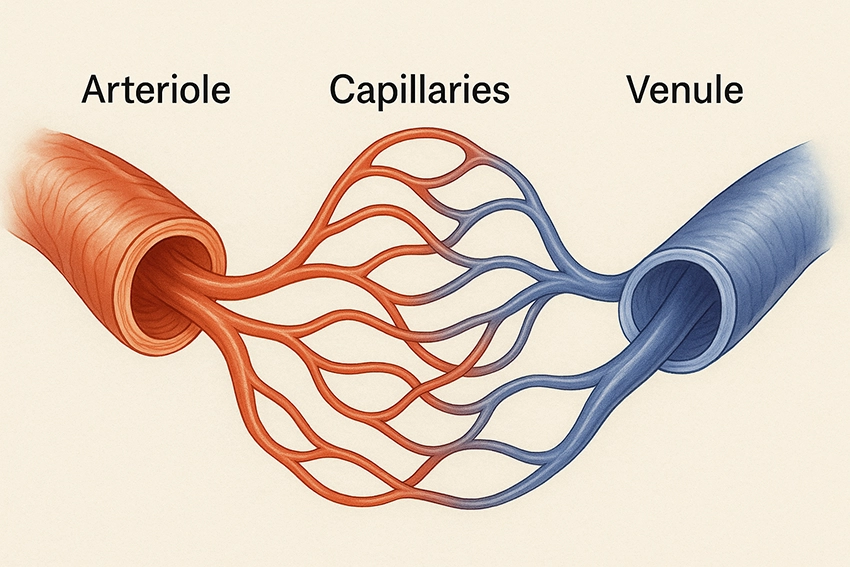
When cellular turnover slows down, the skin loses its natural brightness. Reduced microcirculation affects oxygen and nutrient delivery, which directly impacts skin tone. As a result, tired skin appears flat and less vibrant.
Many people try to correct this with heavier makeup or highlighting products, but true improvement starts beneath the surface.

Sleep Quality and Cellular Regeneration
Sleep is not passive rest for the body. It is an active repair phase, especially for the skin. Tired skin often signals that overnight cellular regeneration was incomplete.
During deep sleep, cell turnover increases, cortisol levels decrease, and repair mechanisms are activated. If sleep is fragmented, too short, or misaligned with your natural circadian rhythm, these processes become less effective.
Late-night screen exposure, artificial light, and chronic stress can disrupt melatonin production, reducing the quality of restorative sleep. Even if the total number of hours seems sufficient, poor sleep quality can leave tired skin visible the next morning.
Supporting your natural sleep cycle is essential for maintaining a healthy complexion.
The Role of Oxygen Circulation
Oxygen plays a crucial role in maintaining skin vitality. When cells receive adequate oxygen, they function efficiently and maintain a natural glow. When circulation is compromised, dullness appears.
Tired skin is often linked to reduced microcirculation. Sedentary lifestyle, dehydration, stress, and limited exposure to fresh air can all slow down blood flow. As circulation decreases, nutrient delivery weakens and metabolic waste removal becomes less efficient.
Regular physical activity, facial massage, hydration, and antioxidant-rich nutrition can support improved oxygen flow. Internal balance directly influences external radiance.

Why Tired Skin Is Not Just a Cosmetic Issue
Tired skin should not be viewed as a superficial concern alone. The skin reflects overall systemic health. Persistent dullness may indicate chronic stress, hormonal imbalance, or inadequate recovery.
Over time, insufficient regeneration can accelerate visible aging. Collagen production may decline, hydration levels drop, and oxidative stress increases. These factors contribute to fine lines, reduced elasticity, and loss of firmness.
Addressing skin from a holistic perspective leads to more sustainable results than focusing solely on topical solutions.
How to Support Overnight Skin Regeneration
Nighttime is when the skin is most receptive to repair. A thoughtful evening skincare routine can significantly enhance natural regeneration.
Start with gentle but thorough cleansing to remove environmental pollutants and makeup residue. Follow with hydrating and restorative ingredients that support the skin barrier.
Hyaluronic acid helps maintain moisture levels. Peptides and antioxidants assist in cellular repair. Retinol, when used appropriately, can stimulate renewal processes.
The goal is not layering excessive products, but creating a balanced, supportive environment for overnight recovery.

The Importance of a Conscious Evening Routine
An evening routine extends beyond skincare. Reducing screen exposure, creating a calm environment, and maintaining consistent sleep timing all support deeper rest.
Tired skin often reflects irregular daily rhythms. When your body’s internal clock is aligned, regeneration improves naturally.
Warm lighting, relaxation practices, and proper hydration before sleep can contribute to improved overnight repair. Over time, these habits visibly transform skin tone and texture.
The Real Solution for Tired Skin
Tired skin is rarely caused by one single factor. It is influenced by sleep quality, oxygen delivery, cellular regeneration, stress levels, and lifestyle balance.
True improvement comes from supporting the skin’s biological processes rather than masking symptoms. When internal systems are functioning efficiently, the skin regains its natural luminosity.
Healthy, balanced skin is not about perfection. It is about vitality, resilience, and consistent care.