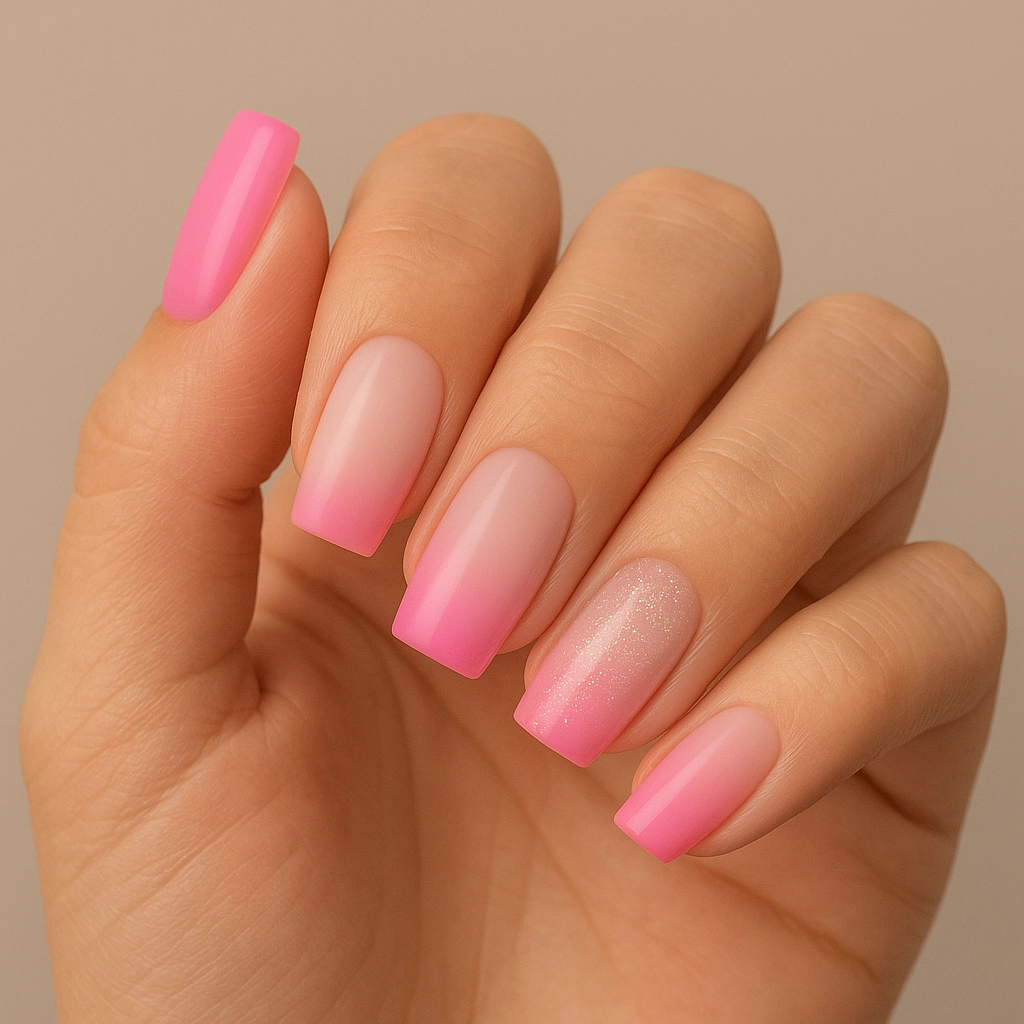
TPO-free gel polish and TPO-free artificial nail products have become one of the most discussed topics in the nail industry recently. This shift is not accidental. New European Union regulations have significantly reshaped the professional landscape, affecting not only products but everyday salon work as well.
This transition is more than a simple formula change. It brings technical, professional and communication challenges that every nail technician should understand. In this article, we explain what the TPO restriction means, why the new formulas behave differently, and how professionals can adapt safely and confidently.
What does the TPO restriction actually mean?
It is important to clarify that the TPO restriction applies exclusively within the European Union. This means that gel polishes and artificial nail products containing TPO cannot be placed on the EU market or imported into EU territory.
As a result, gel polishes containing TPO that originate from outside the EU cannot legally enter the European market. If TPO-containing products are still found, they can only come from older, remaining stock produced before the regulation took effect.
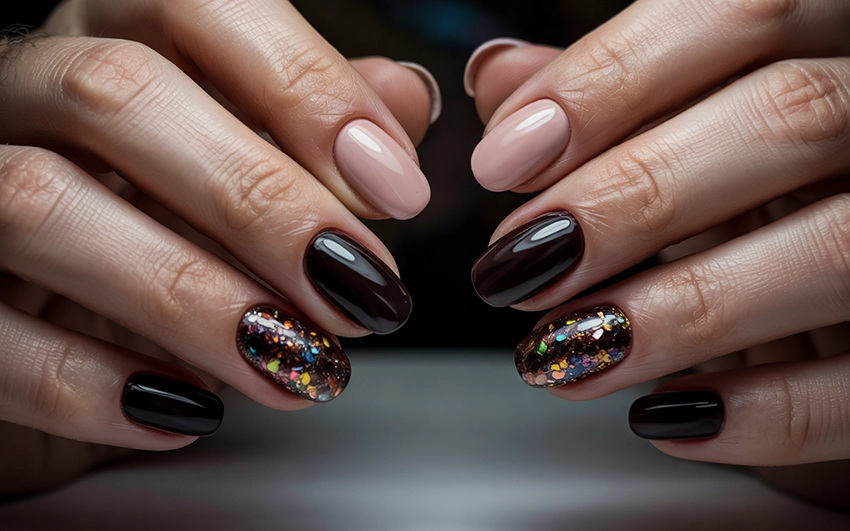
TPO-free gel polish in everyday practice
In the latest manufacturing processes, only TPO- and HEMA-free gel polishes have been produced for more than a year and a half. This means that nearly all newly manufactured products already comply with current regulations.
With high-quality TPO-free gel polishes, no negative changes can be observed in durability, shine or wear resistance. However, differences may appear between certain formulas, as alternative raw materials and compositions are now used.
TPO-free artificial nail materials and formulation differences
TPO-free artificial nail products may also behave differently during curing. These differences are not quality issues, but rather natural characteristics of the new formulations.
The transition affects every professional, and many nail technicians have already noticed certain changes in daily practice.
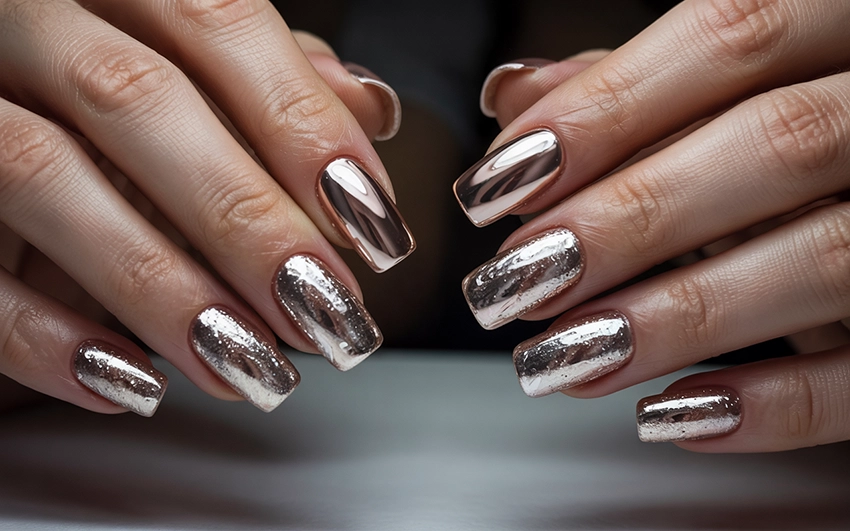
Common experiences with new TPO-free materials
Based on professional feedback, the most frequently reported observations are:
- the new materials behave slightly differently than previous formulas
- the most common sensation is stronger heat during curing
This reaction can surprise both professionals and clients, which is why understanding the cause is essential.
Why is the heat sensation stronger with TPO-hema free materials?
Different photoinitiators, different heat reaction
New photoinitiators used instead of TPO – such as TMO or TPO-L – react differently to UV/LED light. Polymerization may start faster and more intensely, resulting in a higher heat peak during curing.
Surface “sealing” effect
The surface of the material can harden quickly while polymerization continues in deeper layers. The generated heat cannot distribute evenly and becomes concentrated, leading to a burning sensation.
Light sensitivity
Some new photoinitiators are particularly sensitive to LED lamps in the 365–405 nm wavelength range, making the curing process faster and more intense.
Layer thickness
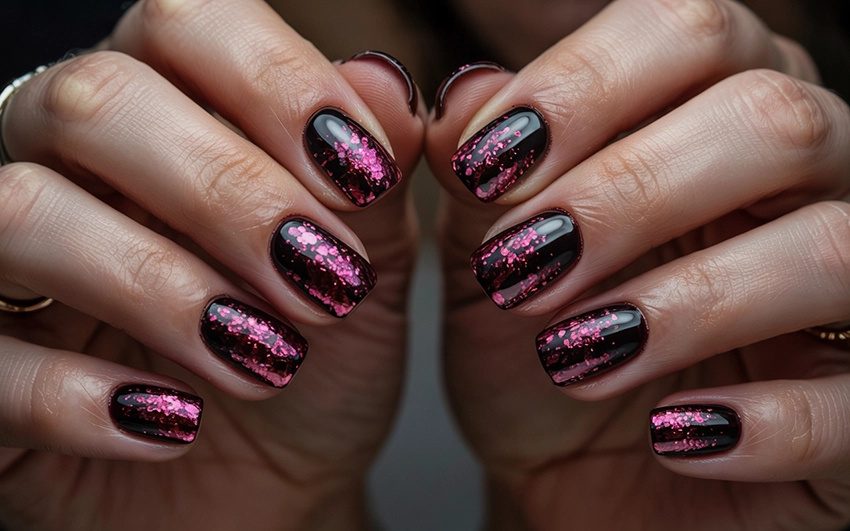
The thicker the applied layer – for example with builder gels or heavily pigmented and dark colors – the stronger the heat sensation may be. This effect is more noticeable with TPO-free formulations.
How can professionals reduce the burning sensation?
The good news is that this phenomenon is completely manageable with proper technique. Nail technicians can apply several practical solutions:
– Apply thinner layers instead of one thick layer
– Adjust curing time consciously, using gradual or lower-intensity starts
– Pre-cure briefly in diffused light before full curing
– Use low-heat mode if the lamp offers this function
– Briefly remove the hand from the lamp if the client feels discomfort
– Light pressure of the fingertip on the table surface to reduce heat sensation
Important information for reassuring clients
It is essential to emphasize that the burning sensation is not a product defect, but a natural characteristic of the new TPO-free formulations. The process is safe and fully controllable with correct professional technique.
Informing clients in advance is highly recommended. Proper communication helps prevent fear or loss of trust and reinforces professional credibility.
Long-term benefits of the free transition
Although the transition may initially feel challenging, TPO-free gel polish and artificial nail systems represent a safer and more conscious direction for the future. With experience and refined techniques, these new materials integrate seamlessly into professional workflows.
Adaptation is not only mandatory but also an opportunity to raise professional standards even higher.