Your Path to the Perfect Manicure: Strength, Style, and Health Combined
Artificial nails vs gel choices define not just your look, but your daily comfort and nail health in 2026. As a modern woman, you deserve a manicure that keeps up with your lifestyle, whether you are leading board meetings, creating digital content, or enjoying an active weekend. Selecting the right technique is the first step toward a confidence that starts at your fingertips and lasts for weeks, ensuring your hands are always a source of pride.
Many women struggle with thinning natural nails or premature lifting, often because they chose a system that didn’t align with their natural nail type or activity level. The frustration of a chipped nail before a major event is a painful problem we have all faced. By understanding the science behind modern nail systems and the artificial nails vs gel debate, you can eliminate this stress and ensure your hands always reflect your professional and personal standards. This guide provides the clarity you need to make an informed decision for your next salon visit.
Understanding the Basics: What Are Artificial Nails Actually Made Of?
To truly master the artificial nails vs gel debate, we must look beneath the surface at the chemistry that makes these enhancements possible. In 2026, the industry has moved toward biocompatible materials that prioritize the health of the nail plate. Traditional artificial nails, commonly known as acrylics, are created using a liquid monomer and a powder polymer. When combined, they initiate a chemical reaction that hardens into a durable, protective shell. This classic method has been the backbone of the industry for decades, offering unparalleled strength for those who desire extra length.
Gel systems, however, utilize oligomers that require a specific wavelength of UV or LED light to cure. This “photo-polymerization” creates a more flexible, porous structure compared to the dense lattice of acrylics. Recent innovations have introduced “Hema-free” formulas, which have revolutionized the market by significantly reducing the risk of skin sensitivities. When we talk about artificial nails vs gel, we are essentially choosing between a rigid, air-cured shield and a flexible, light-cured coating. Understanding this allows you to communicate more effectively with your technician about what your nails actually need for long-term health.
The core difference in artificial nails vs gel materials also affects how the product interacts with your natural nail’s moisture levels. Acrylics tend to be more occlusive, while modern gels allow for a degree of “breathability,” if we use the term loosely to describe moisture vapor transmission. In 2026, premium brands have developed “bio-sourced” resins that bridge the gap, making the artificial nails vs gel choice more about performance than chemical safety, as both have reached incredible standards of purity.
Acrylic vs. Gel vs. Hybrid: Which One is Right for Your Lifestyle?
Your lifestyle is the most important factor when weighing artificial nails vs gel options. If your hands are constantly exposed to water, cleaning agents, or heavy-duty tasks, traditional acrylics offer an unmatched level of hardness. They act as a sturdy extension of your natural nail, making them ideal for those who want dramatic length and a surface that can withstand significant impact. For women in demanding physical roles, the artificial nails vs gel comparison often leans toward the sheer durability of a well-applied acrylic set.
For the woman who prefers a “barely-there” feel, gel is the undisputed winner. Gels are celebrated for their mimicry of the natural nail’s flexibility. They bend where acrylics might snap, which often results in less trauma to the underlying nail during accidental bumps. But what if you need both? This is where hybrid systems—often called Acrygel—come into play. Hybrids offer the stability of acrylic with the lightweight, odorless, and flexible nature of gel. In 2026, hybrids have become the go-to for many senior nail artists because they allow for precise sculpting without the rush of air-drying. When considering artificial nails vs gel, the hybrid option often provides the “Goldilocks” solution for most modern women.
When analyzing artificial nails vs gel for office workers, the repetitive motion of typing can actually cause micro-cracks in very rigid acrylics over time. Conversely, the shock-absorbing properties of gel make it exceptionally comfortable for long days at the keyboard. Therefore, the artificial nails vs gel decision should also consider your daily ergonomic movements. If you switch between high-intensity hobbies and professional environments, the versatility of gel or hybrid systems is often superior to traditional artificial enhancements.
The Rise of High-Quality Press-On Nails: A DIY Revolution
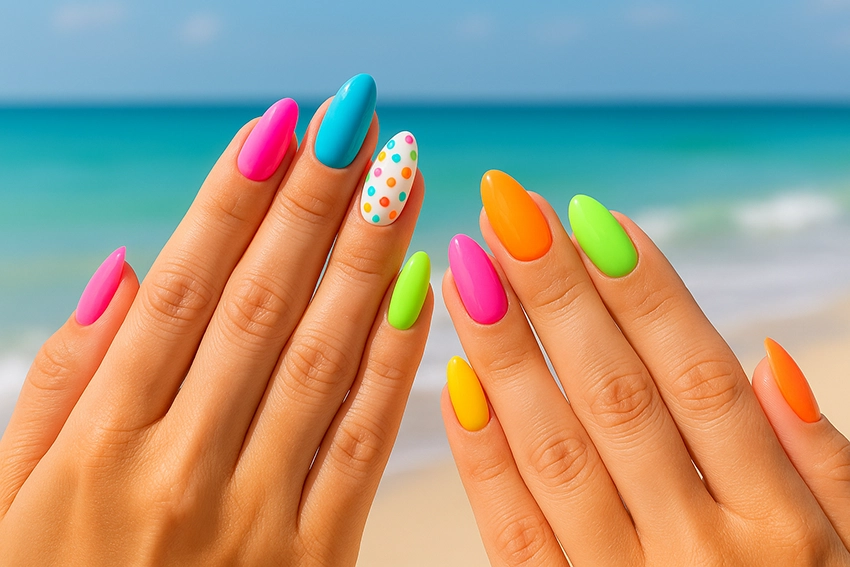
We are witnessing a massive shift in how we perceive temporary enhancements. High-quality press-on nails are no longer the “emergency backup” but a primary choice for many style enthusiasts. The modern DIY revolution focuses on “Gel-Press” technology, where the tips themselves are made of pre-cured soft gel. This provides a salon-quality finish that looks indistinguishable from a professional set. In the context of artificial nails vs gel, press-ons offer a unique third path that combines the speed of application with the aesthetics of high-end salon work.
The advantage here in the artificial nails vs gel context is the freedom of choice. You can wear a sophisticated nude for a business trip and switch to a bold, artistic design for a weekend gala in minutes. These systems use advanced medical-grade adhesives or specialized UV-cured “glue gels” that provide a bond lasting up to 14 days. For the woman who values her time above all else, the ability to achieve a flawless manicure at home without the three-week commitment of a salon set is a game-changer. The artificial nails vs gel debate now includes these high-tech alternatives that respect your busy schedule.
Furthermore, the artificial nails vs gel press-on variants are perfect for those who suffer from salon anxiety or have sensitive cuticles that react to the e-filing common in professional settings. By choosing premium press-on versions of artificial nails vs gel, you maintain total control over the removal process, which is often where the most damage to natural nails occurs. This revolution is democratizing high-end nail art, making the artificial nails vs gel aesthetic accessible to everyone, regardless of their proximity to a top-tier salon.

Professional Salon Services vs. At-Home Kits: Cost and Durability
While the convenience of at-home kits is tempting, the professional touch remains the gold standard for durability and safety. A professional nail technician does more than just apply color; they perform a meticulous “dry manicure” or “E-manicure,” which involves precision cuticle work that prevents lifting. This preparation is the secret to why a salon-applied artificial nails vs gel service remains pristine for three weeks or more. Without professional prep, even the best artificial nails vs gel products will fail prematurely.
At-home kits often lack the high-performance lamps required for a full cure, which can lead to “under-curing”—a leading cause of nail allergies. When you invest in a professional service, you are paying for the expertise to balance the nail’s architecture, ensuring the “apex” is correctly placed to support the length. This structural integrity is a key factor in the artificial nails vs gel safety profile. Proper architecture prevents painful breaks and long-term damage to your natural nail bed, something that is difficult to master with a basic home kit. While the initial cost of a salon visit is higher, the longevity and health benefits of professional artificial nails vs gel applications far outweigh the frequent repairs needed with DIY attempts.
In 2026, the gap between salon results and home kits in the artificial nails vs gel sector has widened due to the complexity of new chemical formulas. Professionals now use “intelligent” bonding agents that adapt to the pH of the natural nail. This level of customization is rarely available in mass-market artificial nails vs gel kits. Therefore, if your goal is a month of worry-free, beautiful hands, the professional route for artificial nails vs gel is always the most cost-effective in the long run.
Current Trends: Popular Shapes and Lengths for 2026
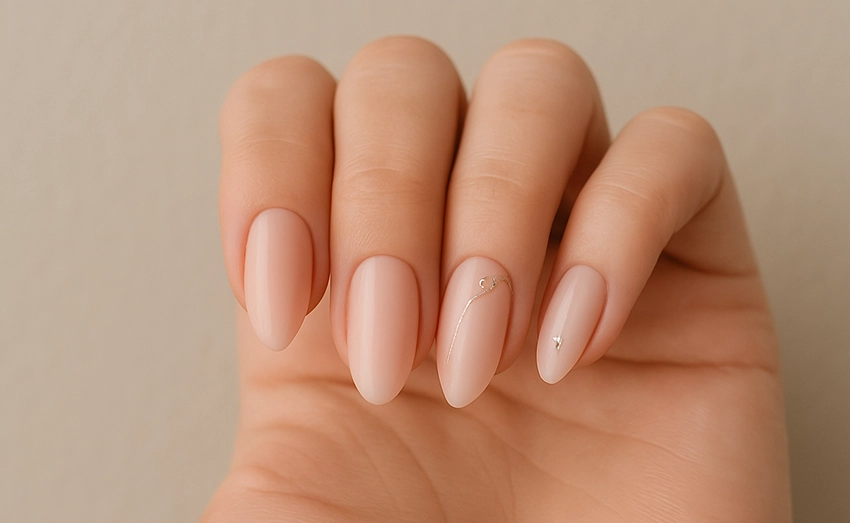
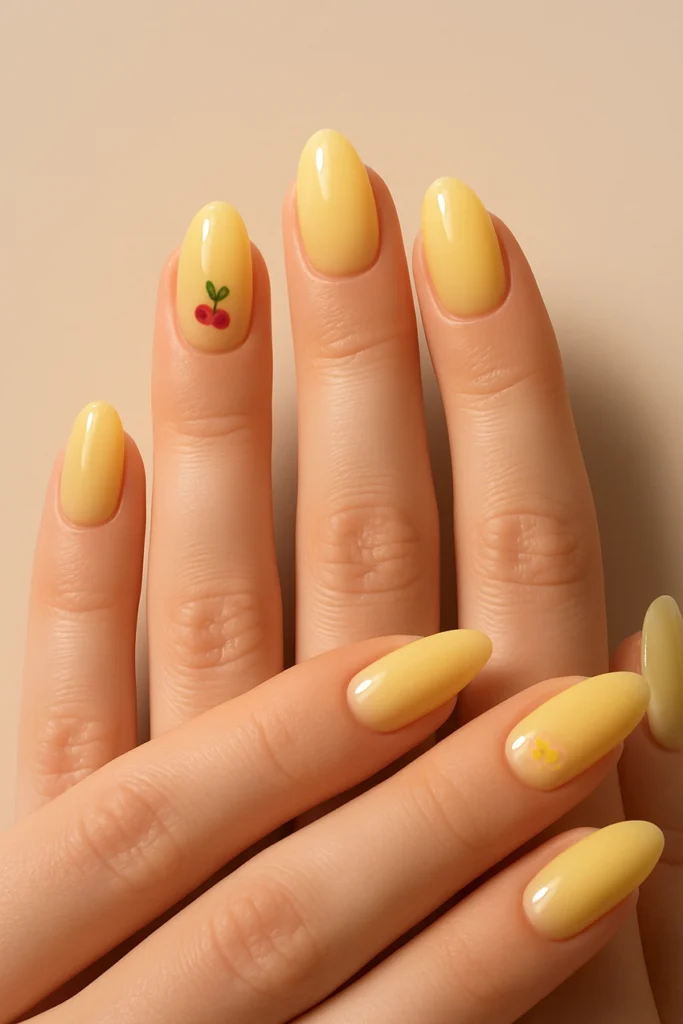
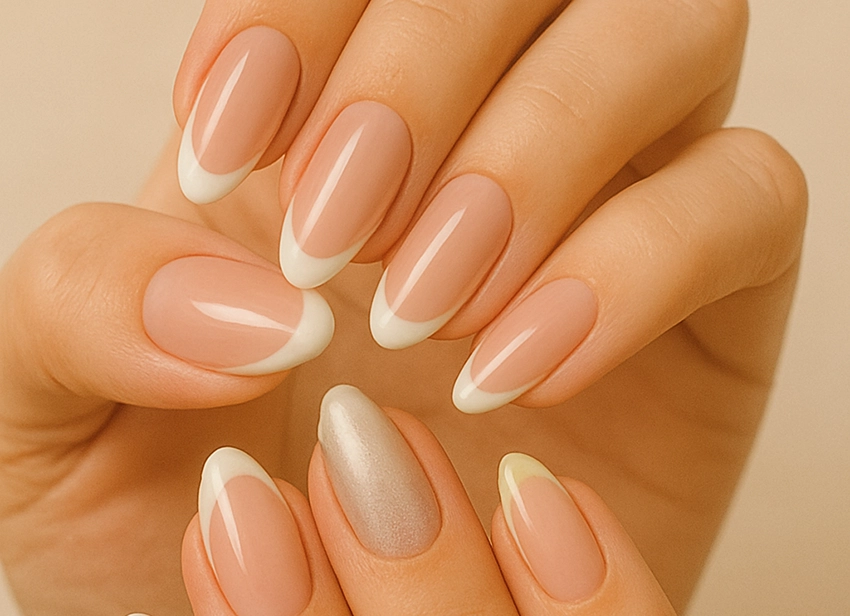
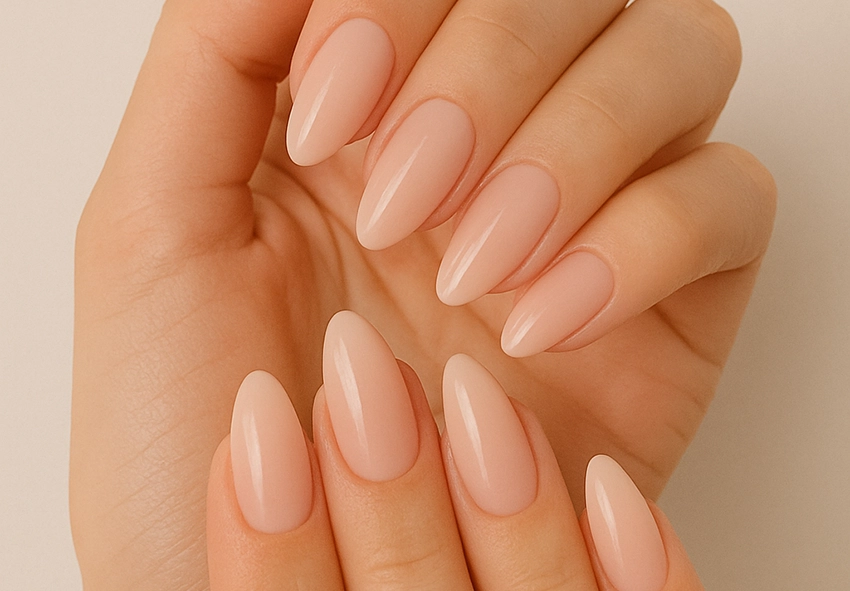
The aesthetic of 2026 is defined by “Refined Realism.” We are seeing a move away from extreme, impractical lengths toward shapes that enhance the natural grace of the hand. The “Soft Almond” remains a favorite because it suits almost every finger type, providing an elongating effect while remaining functional. In the artificial nails vs gel landscape, the almond shape is particularly popular because it distributes stress evenly across the nail enhancement, reducing the risk of lifting at the corners.
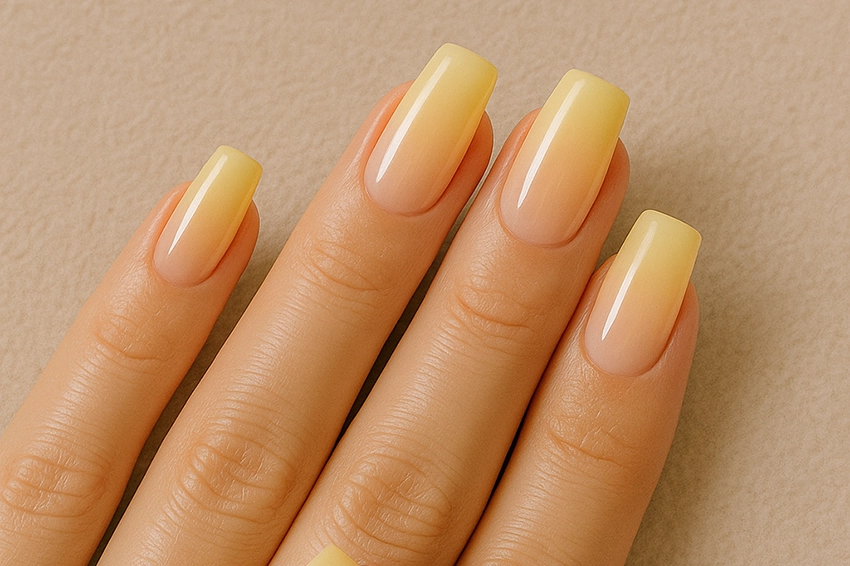
Another rising star is the “Square-Oval” or “Squoval,” which offers the clean lines of a square nail but with softened edges to prevent snagging. In the artificial nails vs gel world, these shapes are best executed with builder gels that allow for a slim, elegant profile. For those who still crave the avant-garde, “Tapered Coffin” shapes in medium lengths are being paired with translucent “jelly” colors and 3D textures. When choosing between artificial nails vs gel for these trends, consider that gel often provides a clearer, more glass-like base for embedded art than traditional acrylic.
The artificial nails vs gel trend cycle in 2026 also emphasizes “naked” or “clean girl” aesthetics. This requires a product that can mimic the subtle gradients of a natural nail bed. High-end gel systems excel here, offering “cover” shades that perfectly match various skin tones. When comparing artificial nails vs gel for a natural look, gel’s ability to be applied in thin, strong layers makes it the superior choice for the modern minimalist. Whether you choose artificial nails vs gel, the focus this year is on a look that is polished, intentional, and healthy.
How Much Should You Really Pay? A UK Price Guide
Understanding the UK market pricing helps you budget for high-quality care. A standard set of gel overlays on natural nails typically starts around £35 to £45 in professional boutiques. If you are looking for extensions—the classic artificial nails vs gel debate—prices for a full set of gel extensions usually range from £50 to £75, depending on the complexity of the design. High-end London salons may charge significantly more for specialist artificial nails vs gel services that include detailed hand-painted art.
Acrylic sets are often priced similarly, though sometimes slightly lower, around £40 to £60. However, keep in mind that “infill” appointments, which are necessary every 2 to 3 weeks, generally cost about 60-70% of the original set price. When calculating the cost of artificial nails vs gel, factor in the maintenance. A gel set might have a higher entry price, but if it prevents breakage and saves your natural nails, the value is undeniable. Investing in a technician who uses premium, regulated artificial nails vs gel products ensures that you won’t face the hidden costs of treating nail infections later.
Furthermore, the artificial nails vs gel pricing should include the cost of safe removal. Never attempt to peel off your enhancements. A professional removal service for artificial nails vs gel costs around £15-£25 and is the only way to ensure your natural nails remain strong. When you view artificial nails vs gel as a long-term beauty investment rather than a one-time expense, the importance of choosing quality over the lowest price becomes clear for every woman who values her appearance.

Essential Terminology Every Nail Enthusiast Should Know
To navigate your next appointment like a pro, it is essential to master the lingo of the artificial nails vs gel world. The “Apex” is the highest point of your enhancement, crucial for strength and balance. “Capping the free edge” is a technique where the tech sweeps polish over the very tip of your nail to prevent peeling. This is a non-negotiable step in both artificial nails vs gel applications. “Dehydration” in this context isn’t about drinking water; it’s the process of removing oils from the nail plate to ensure a perfect bond for your artificial nails vs gel system.
Knowing the difference between “Hard Gel” and “Soft Gel” is also vital for the artificial nails vs gel consumer. Hard gel is non-porous and must be filed off, making it incredibly strong for long extensions. Soft gel, often referred to as “soak-off,” can be removed with acetone and is better suited for shorter, more natural looks. By using this terminology during your artificial nails vs gel consultation, you ensure that your expectations are perfectly aligned with the service you receive.
Finally, understand the “infill” vs “rebalance” distinction. An infill simply adds product to the regrowth area, while a rebalance moves the apex back to its correct position as the nail grows out. In the artificial nails vs gel lifecycle, a rebalance is essential for maintaining safety and preventing the nail from becoming “tip-heavy.” Armed with this knowledge, you can confidently discuss your artificial nails vs gel preferences, ensuring a stunning result that lasts and keeps your natural nails in peak condition.