Algal nail can be alarming when you first notice a greenish shade appearing on an otherwise well kept nail. Although it looks unpleasant, this condition is usually not serious and can often be managed with proper care. In this article, you will learn what causes this type of discoloration, how it differs from fungal infections, and what natural home methods may help improve nail health. If you care about clean, healthy looking nails, this guide is worth your attention.
Many people experience this issue under gel polish or artificial nails, especially when moisture becomes trapped. In most cases, the cause is bacterial rather than fungal, which is why the approach to care is different.
What green nail discoloration really means
The term algal nail is slightly misleading, as real algae are not involved. The most common cause is a bacterium called Pseudomonas aeruginosa, which thrives in damp, low oxygen environments. When a small gap forms between the nail plate and the nail bed, moisture can become trapped and create ideal conditions for bacterial growth.
This process often develops slowly. At first, there may be no visible change, but over time a green or blue green tint appears. While the condition is usually painless, ignoring it can allow the discoloration to spread further.
Factors that increase the risk of nail discoloration
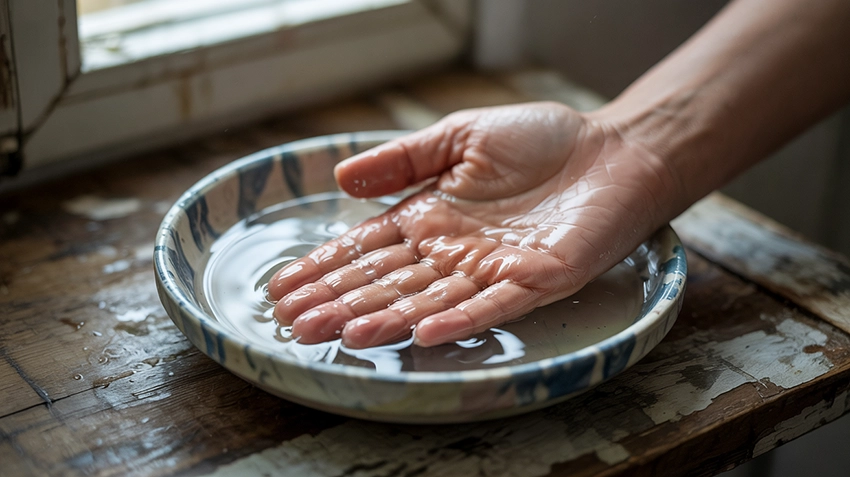
Several everyday habits can contribute to bacterial nail issues. Prolonged exposure to water is one of the most common factors, especially during cleaning, dishwashing, or frequent hand washing. Nail enhancements that begin to lift or are improperly applied can also allow moisture to enter.
If the nail remains covered for extended periods, it cannot dry properly or receive enough airflow. This risk increases when tools are not disinfected thoroughly or when nail preparation steps are rushed or skipped.
Home care options for mild cases
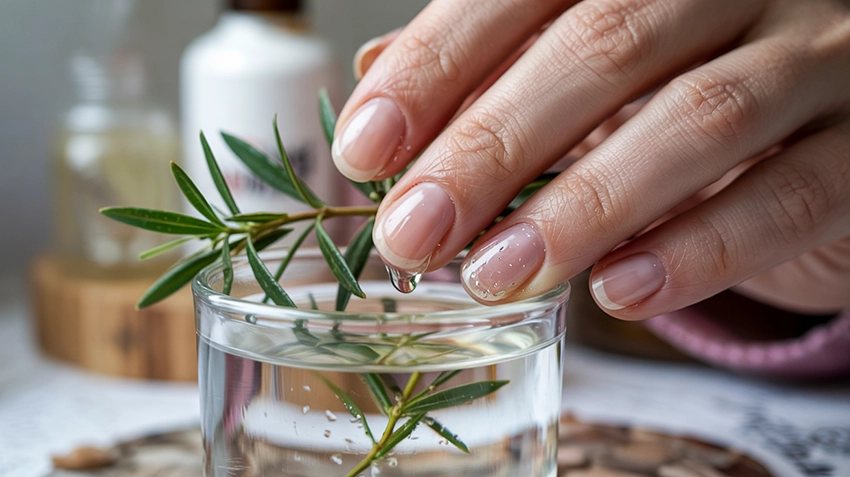
Algal nail treatment at home can be effective when the discoloration is mild and there is no pain or swelling. One commonly used method is soaking the nail in diluted apple cider vinegar. The acidic environment helps limit bacterial growth. Soaking the affected nail daily in warm water mixed with vinegar, followed by thorough drying, can support recovery.
Tea tree oil is another popular option due to its natural antibacterial properties. Applying a small amount directly to the clean nail may help maintain a healthier surface. Alcohol based disinfectants can also be used carefully to keep the area clean.
During this period, it is important to avoid gel polish and artificial nails. Keeping the nail short and allowing it to breathe helps reduce the affected area. Quality nail care products sourced from a reliable webshop may also support the healing process.
A common everyday situation behind the issue
Many people first notice green discoloration after holidays, swimming, or intensive household cleaning. Water enters through a tiny gap beneath an enhancement and remains trapped. At first, there are no symptoms, but weeks later the color change becomes visible.
In such cases, removing the enhancement and focusing on nail hygiene often leads to gradual improvement. With patience and consistent care, mild discoloration usually fades as the nail grows out.
Who may benefit from home based nail care
Home care methods are best suited for individuals with mild discoloration and no signs of infection such as pain, swelling, or nail separation. If you want to take a break from nail enhancements and focus on natural nail recovery, these approaches can be helpful.
However, if the discoloration spreads, produces an unpleasant odor, or becomes uncomfortable, professional evaluation is strongly recommended.
Common concerns related to green nail discoloration
A frequent question is whether this condition is contagious. Direct transmission is uncommon, but sharing nail tools can increase risk. Another common concern is how long recovery takes. This varies, but visible improvement often occurs within a few weeks when care is consistent.
It is also important to distinguish bacterial discoloration from nail fungus, as antifungal treatments are not effective in this case.
What to keep in mind for long term nail health
Algal nail may look concerning, but it is usually manageable when addressed early. Good hygiene, proper drying, and allowing the nail to breathe are essential preventive measures. Natural home care methods can support recovery in mild cases, but persistent or worsening symptoms should never be ignored. With a few mindful habits, you can protect your nails and maintain their natural appearance.