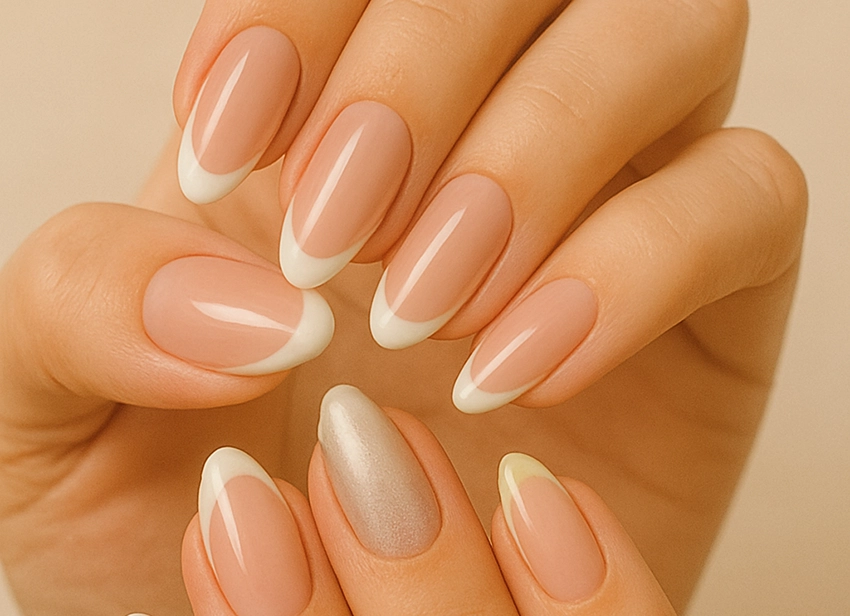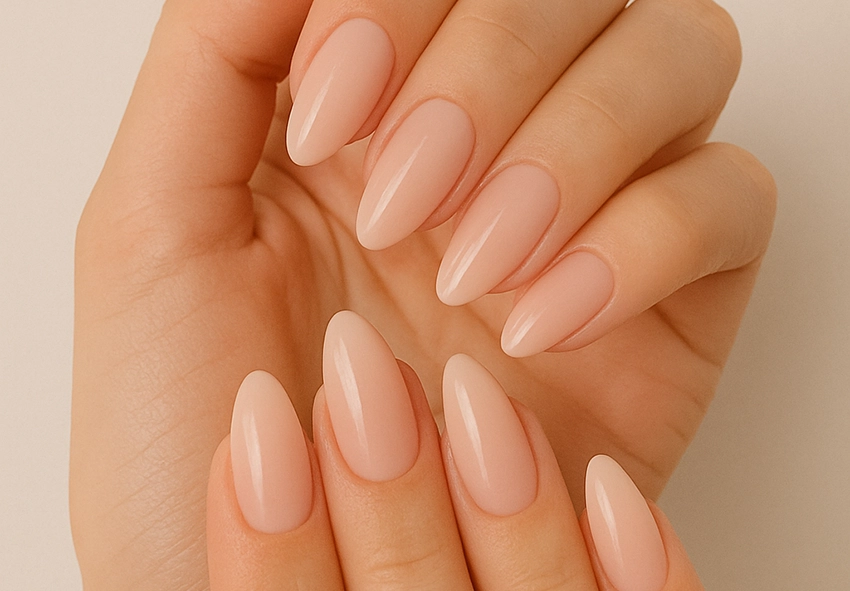
Pregnancy changes everything — including how you think about your beauty routine. If artificial nails have always been part of how you present yourself to the world, the question of whether to keep them during pregnancy is one worth taking seriously. Artificial nails pregnancy safety is a topic where well-meaning advice can pull in completely opposite directions, leaving expectant mothers more confused than reassured. This guide cuts through the noise with clear, research-informed answers — covering the chemicals involved, UV and LED lamp exposure, trimester-specific considerations, and the safest choices for your nails throughout your pregnancy in the UK.
Occasional artificial nail treatments are generally considered low risk during pregnancy for salon clients. The primary concerns are chemical fume inhalation in poorly ventilated spaces, skin sensitisation from HEMA-containing gel products, and acrylic monomer exposure. The first trimester warrants the most caution. HEMA-free gel polish applied in a well-ventilated salon remains the most widely recommended option for pregnant women wanting a manicure.
Table of Contents
- What the Research Actually Says About Nail Chemicals and Pregnancy
- The Chemicals in Artificial Nails You Need to Know About
- UV and LED Lamps: What the Evidence Shows
- Acrylic Nails vs Gel Nails During Pregnancy
- The First Trimester: Why Timing Matters
- Salon Safety Standards and What to Ask in the UK
- A Note on Labour: What the NHS Says
- Safer Alternatives and Practical Choices
- Your Questions Answered
- Infographic and Video
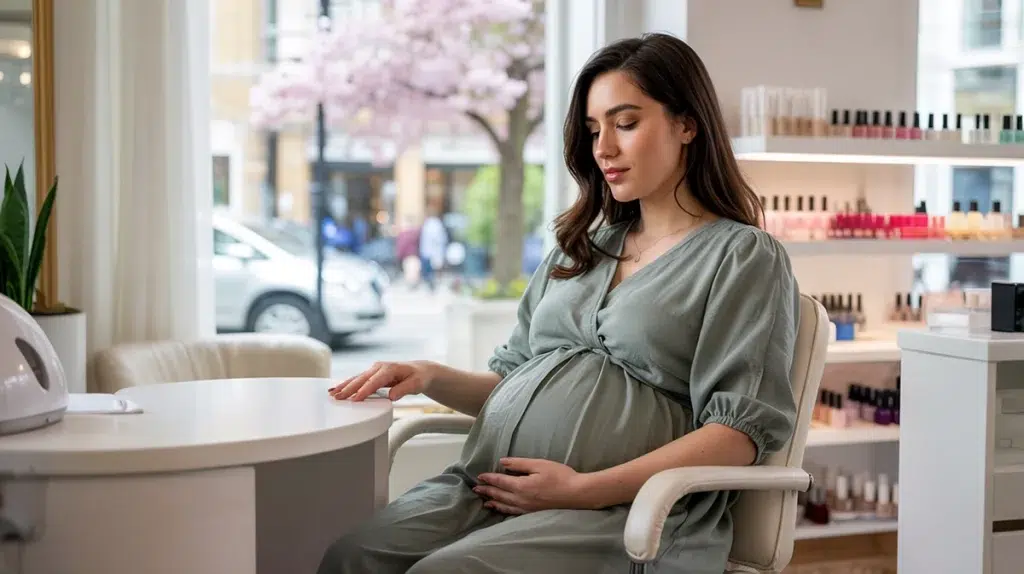
artificial nails pregnancy safety UK pregnant woman nail salon London spring 2026 sheer gel manicure
Artificial Nails Pregnancy Safety: What the Research Says
The first thing worth understanding is the distinction between what is known, what is suspected, and what is genuinely uncertain. There is no specific clinical guidance advising pregnant women to avoid nail treatments entirely. These products are applied externally and are not absorbed into the body in ways that would meaningfully affect the developing baby under normal use conditions.
Research consistently distinguishes between occasional client exposure — a single appointment every few weeks — and occupational exposure. Nail technicians working with these chemicals for hours daily face a meaningfully different risk profile than a pregnant woman sitting in a salon chair for 45 minutes. The dose makes the difference, and artificial nails pregnancy safety concerns apply far more strongly to workers than to clients.
When proper work safety practices are followed, the chance of pregnancy complications from nail salon chemical exposure is not considered significantly higher than for women in the general population. That said, the evidence does not fully address cumulative exposure over a full pregnancy, first trimester vulnerability, or the effects of newer chemical formulations recently brought under regulatory scrutiny.
A nuanced approach — rather than blanket reassurance or blanket avoidance — is the most honest guidance available on artificial nails pregnancy safety.
Nail Chemicals and Pregnancy: What You Need to Know
Understanding what is actually in these products helps you make an informed decision. The relevant substances fall into several distinct categories, and their risk profiles differ significantly.
Methacrylates and acrylates are the bonding agents central to most artificial nail systems. The amount expected to be absorbed through skin or lungs during normal use is not anticipated to cause problems for pregnancy. That said, methyl methacrylate (MMA) is worth avoiding regardless of pregnancy — it can cause respiratory irritation, asthma symptoms, dizziness, fatigue, and skin reactions. Reputable UK salons use ethyl methacrylate (EMA) instead. Always ask your technician which system they use.
HEMA (2-hydroxyethyl methacrylate) is the most common allergen in gel nail products and the primary reason dermatologists recommend HEMA-free formulas for expectant mothers. Pregnancy hormones alter immune sensitivity considerably — products tolerated before pregnancy can suddenly cause irritation, redness, or allergic reactions. A reaction can develop even in women who have used HEMA-containing products for years without issue.
Acetone, used in polish removal and gel soak-off processes, is frequently misunderstood. The small amount absorbed through skin or lungs during routine nail removal is not considered to cause problems for pregnancy. Prolonged soaking without ventilation increases both dermal absorption and vapour inhalation, so minimising contact time and working in fresh air remains sensible.
TPO (trimethylbenzoyl diphenylphosphine oxide) is the most significant recent regulatory development for artificial nails pregnancy safety in the UK. The European Union classified TPO as potentially toxic to reproduction, banning it from cosmetic nail products from September 2025. The concern is that TPO may function as an endocrine disruptor interfering with the body’s reproductive systems. UK-compliant salons should now use TPO-free formulations — confirm this before your appointment.
Toluene and formaldehyde, historically part of the toxic trio in nail products, have been largely phased out of reputable product lines. High airborne concentrations of these solvents have been associated with miscarriage and foetal nervous system effects in occupational research — concentrations far higher than a client encounters in a properly ventilated modern UK salon. Choosing a 3-free or 5-free polish removes this concern entirely.
Phthalates (DBP) are plasticisers found in some nail polishes. Under routine exposure conditions, the amounts absorbed are not expected to cause pregnancy problems based on current research. Phthalate-free formulations are widely available in the UK and worth choosing where possible.
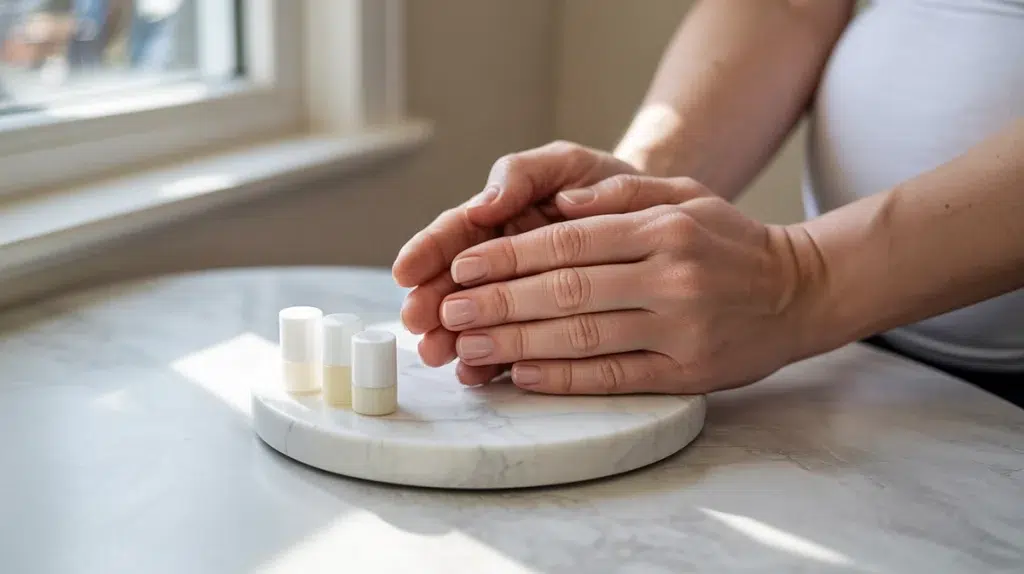
artificial nails pregnancy safety HEMA free nail products UK safe manicure ingredients close up
UV and LED Lamps: Pregnancy Safety Evidence
This is the area where pregnant women feel most uncertain, and where accurate information genuinely matters. The distinction between UV and LED lamps is not trivial.
UV nail lamps emit ultraviolet-A (UVA) radiation to harden gel polish. Unlike UVB rays, which cause sunburn, UVA penetrates deeper into the skin and is associated with premature ageing and long-term skin effects. Most modern lamps operate within the 340–395 nm wavelength range, emitting low UVA levels over short durations — typically 30 to 60 seconds per session.
The most important fact for expectant mothers: UV radiation does not cross the placenta or directly affect the foetus. UV light cannot penetrate abdominal tissue the way certain medications or chemicals can. The concern with UV lamps and pregnancy safety is therefore about the mother’s hands, not direct foetal risk.
Modern LED lamps, emitting a narrow spectrum around 405 nm, are generally considered lower risk than older broad-spectrum UV lamps. Most modern 405 nm LED lamps emit output levels comparable to a few minutes of midday indoor window light. For occasional salon visits, dermatologists do not consider this clinically significant.
A practical precaution: apply a broad-spectrum SPF to the backs of your hands before gel curing, leaving the nails themselves bare. This reduces cumulative UVA exposure to the skin without affecting the manicure. Thin UV-protective gloves with the fingertips removed are another option used in well-equipped UK salons.
The more significant concern is not the lamp itself but uncured product touching the skin during application. This is where sensitisation to methacrylates and HEMA most commonly occurs. Clean, precise application that keeps product on the nail plate — not the surrounding skin — minimises this risk considerably. Ask your technician to be particularly precise during your pregnancy.
Acrylic vs Gel Nails: Pregnancy Safety Compared
These two systems carry meaningfully different risk profiles, and the distinction is worth understanding clearly before your next appointment.
Acrylic nails involve mixing a liquid monomer with a powder polymer. This creates a strong chemical reaction that produces significant vapour. Nail technicians working regularly with acrylics can experience headaches, nausea, and respiratory irritation — and dust from filing artificial nails can trigger wheezing and asthma in occupational settings.
For pregnant salon clients, a single acrylic appointment in a well-ventilated space carries lower risk than these occupational figures suggest. However, the vapour intensity during application is higher than with gel systems. Morning sickness and heightened olfactory sensitivity — common in the first and second trimester — make the experience significantly more difficult in practice. Many UK nail professionals recommend avoiding acrylics during pregnancy specifically for this reason.
Gel nails present a more reassuring picture for artificial nails pregnancy safety. The nail plate is not absorbent in the way skin is, and fully cured gel polish forms an inert layer that does not penetrate into the bloodstream. The concerns lie in the application process — uncured product on the skin, fume exposure in poorly ventilated spaces, and HEMA sensitisation during altered immune response.
The consistent recommendation from UK nail professionals: if you continue nail treatments during pregnancy, HEMA-free gel polish in a well-ventilated salon is the most appropriate option. Ask whether their products are HEMA-free and TPO-compliant — both are reasonable, professional questions in 2026.
For a detailed comparison of gel systems, our guide on acrylgel versus builder gel covers the formulation differences — useful context when discussing options with your technician.
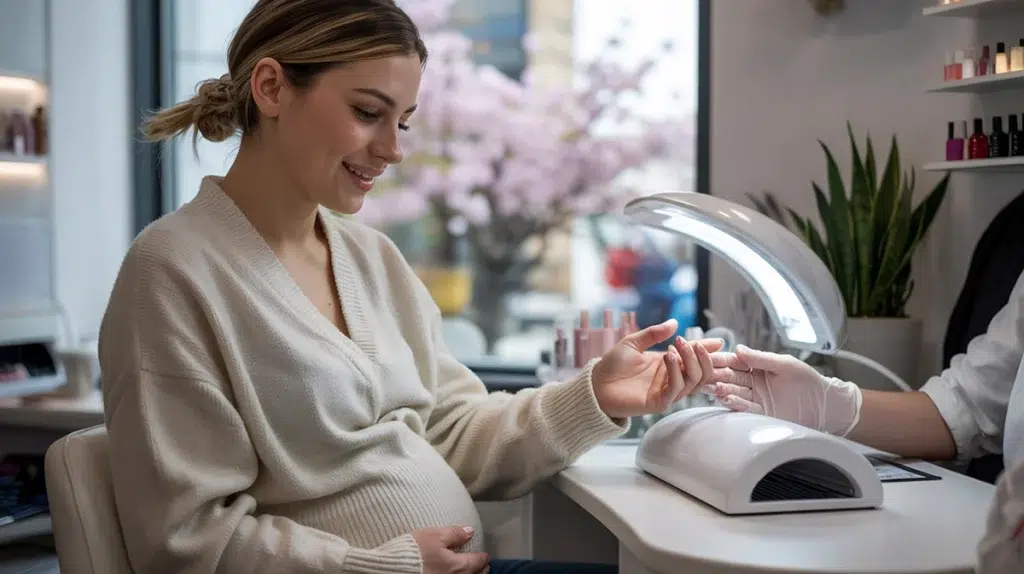
UV LED lamp gel nails pregnancy safety UK salon pregnant woman spring 2026
First Trimester Artificial Nail Safety: Why Timing Matters
The first twelve weeks of pregnancy represent the most critical period for foetal development. Organ formation, neural tube closure, and fundamental structural development all occur in this window. First trimester artificial nail safety therefore warrants considerably more caution than later stages.
During these early weeks, minimising exposure to unnecessary chemicals is a well-established precautionary principle in obstetric guidance. This does not translate to a blanket prohibition, but it does mean the risk calculus changes meaningfully. A manicure appointment at 34 weeks carries a different consideration than one at 6 weeks.
Many UK nail professionals actively support waiting until the second trimester for treatments involving gel or acrylic systems. If you choose to avoid all artificial nail treatments during the first twelve weeks, this is a reasonable and well-supported personal decision.
If you had a nail appointment during the first trimester before you knew you were pregnant — which is extremely common — a single visit in a well-ventilated salon using standard products is very unlikely to have caused harm. Artificial nails pregnancy safety concerns relate to repeated, prolonged, or high-level exposure, not a single isolated appointment.
After twelve weeks, well-spaced appointments in properly ventilated salons using HEMA-free, TPO-free products represent a reasonable approach for most pregnant women. Always inform your nail technician of your pregnancy so they can adjust their approach accordingly.
UK Salon Safety Standards for Pregnant Women
Choosing the right salon matters more during pregnancy. In the UK, nail salons are subject to Health and Safety Executive guidance on COSHH regulations, which require employers to assess and control exposure to hazardous substances including nail chemicals.
A well-run UK salon will have adequate extraction at every workstation — not just an open window. Ask specifically about localised exhaust ventilation, the extraction systems built into or beside the nail table that are now considered best practice. If the salon smells strongly of chemicals from the reception area, that is a clear indicator of insufficient ventilation.
Ask your technician whether their gel products are HEMA-free. Any professional technician should answer this confidently. Similarly, ask whether their products comply with the post-September 2025 TPO regulations. These are straightforward, professional questions — not unusual requests.
Tell the salon when booking that you are pregnant. This allows them to allocate the best-ventilated station, avoid peak busy times when fume levels are highest, and brief the technician in advance. Keep your appointment as brief as possible — a full removal and fresh application involves more exposure than a simple infill.
Our article on how to maintain artificial nails covers spacing approaches that reduce the number of full removal sessions during your pregnancy. For assessing whether a salon meets professional standards, our guide to nail health and safety standards offers a useful benchmark.
NHS Advice on Artificial Nails and Labour
This is one of the most practically important pieces of information for pregnant women in the UK — and one that consistently surprises expectant mothers. The NHS generally recommends removing gel nails, acrylics, and nail polish before labour. This applies to both fingers and toes.
The clinical reason is straightforward and genuinely important. When you are well-oxygenated, your nail beds appear healthy and pink. When oxygen levels drop, they turn bluish or purple. This is one of the fastest visual checks medical staff perform during labour. Nail colour, gel coverings, or acrylic tips obstruct this assessment entirely — and in an emergency, including an unplanned caesarean section, medical staff need immediate, unobstructed access to this information.
Individual NHS Trusts operate different policies on this, so check with your midwife in advance. Many UK midwives advise leaving at least one index finger completely bare throughout the third trimester as a practical compromise.
Press-on nails, which can be removed quickly without acetone if needed, are a practical option some women use close to their due date. This is worth discussing at an antenatal appointment — your midwife will know your delivering hospital’s specific policy.
pregnancy nail care safety at home UK natural nails safe alternatives artificial nails pregnancy
Safer Nail Alternatives During Pregnancy
For women who want well-maintained nails throughout pregnancy without the concerns associated with acrylic systems or heavy chemical exposure, several effective alternatives are available.
HEMA-free gel polish in a well-ventilated salon remains the leading recommendation for pregnant women who want a professional, long-lasting result. Paired with a TPO-compliant formulation, this removes the two most significant chemical concerns from the artificial nails pregnancy safety equation. UK professional brands with HEMA-free ranges include Mylee and The GelBottle — your technician will advise on what they stock.
Regular nail polish in 3-free, 5-free, or 9-free formulations offers a lower-exposure option for home maintenance between appointments. The absence of formaldehyde, toluene, DBP, and camphor in cleaner formulations means minimal chemical exposure. UK brands including Nails Inc and Barry M have expanded their cleaner ranges significantly.
Press-on nails are now a genuinely viable option for occasions requiring impact without salon chemicals. High-quality press-ons with adhesive tabs rather than glue can be applied and removed without any chemical contact. Our guide to press-on nails versus acrylics covers quality and longevity comparisons in detail.
Natural nail care is also worth reconsidering during pregnancy. Many women find that pregnancy improves nail growth and strength due to prenatal vitamins and hormonal changes. A well-shaped, buffed, and lightly oiled natural nail looks genuinely elegant with zero chemical exposure. Our post on safe gel nail removal at home is useful if you are transitioning away from artificial nails during pregnancy.
Personally, researching this topic changed how I think about artificial nails pregnancy safety. The risk picture shifts significantly based on trimester, ventilation, the specific products used, and frequency of exposure. Treating it as a spectrum rather than a simple safe-or-unsafe question leads to far more useful conclusions.
Your Pregnancy Nail Questions Answered
Can I get artificial nails in the first trimester? Most UK nail professionals and obstetric guidance recommend minimising unnecessary chemical exposure during the first twelve weeks, when foetal organ development is most critical. Many women wait until the second trimester. A single appointment before you knew you were pregnant is very unlikely to have caused harm — artificial nails pregnancy safety concerns apply to repeated, prolonged exposure, not isolated visits.
Are gel nails safer than acrylics during pregnancy? Generally yes. Gel systems produce fewer vapours during application and work at lower chemical intensity than acrylic systems. HEMA-free gel polish in a properly ventilated salon is the most widely recommended artificial nail option for pregnant women in the UK. Acrylics involve more significant fume exposure and are best avoided in the first trimester.
Is UV or LED lamp exposure dangerous during pregnancy? UV and LED lamps used to cure gel polish do not emit radiation that crosses the placenta or reaches the foetus. The concern is limited to the mother’s hands. Modern LED lamps at 405 nm emit very low UVA levels — comparable to brief indoor window light. Applying SPF to the backs of hands before curing is a practical precaution many dermatologists recommend.
My nails have changed since becoming pregnant — is that normal? Yes, and very common. Pregnancy hormones affect nail growth rate, strength, and texture. Some women find their nails grow faster and stronger; others experience increased brittleness. The nail plate also becomes more porous during pregnancy, which is why products previously tolerated may suddenly cause irritation.
Do I need to remove artificial nails before giving birth? The NHS recommends removing nail products before labour so that medical staff can assess nail bed colour as part of oxygen monitoring. Individual hospital Trust policies vary — check with your midwife. Many UK midwives suggest leaving at least one index finger bare as you approach your due date.
What should I tell my nail technician? Always inform your technician you are pregnant before your appointment. A professional technician will maximise ventilation, use HEMA-free and TPO-compliant products, keep product off surrounding skin during application, and minimise appointment duration. Disclosing your pregnancy should never feel like an inconvenience in a professional UK salon.
Is it safe to remove gel nails at home during pregnancy? If possible, professional removal in a well-ventilated salon is preferable. If removing at home, ensure the room is well ventilated, avoid prolonged skin contact with acetone, and wash hands thoroughly afterwards. Our guide on artificial nails lifting and safe repair covers maintenance and removal approaches that minimise chemical contact.
The honest summary: artificial nails are not categorically unsafe during pregnancy, but they are not without considerations. The decisions that matter most are trimester timing, the products used, ventilation of the space, and frequency of exposure. With those variables managed thoughtfully, most pregnant women can make an informed choice that works for them — and their nails.
Infographic and Video
Artificial Nails and Pregnancy: Chemical Safety at a Glance
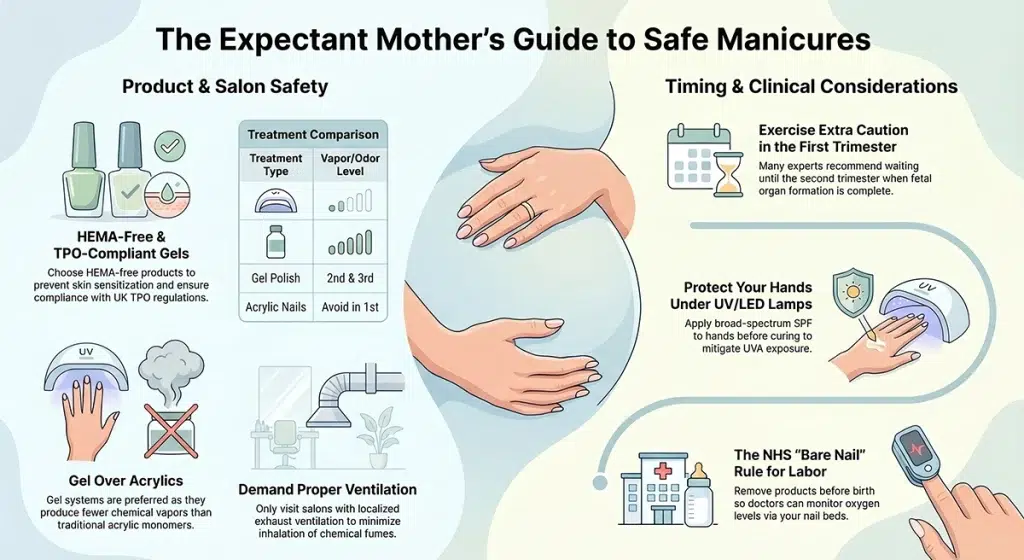
artificial nails pregnancy safety UK guide infographic chemical risks trimester advice 2026
Watch: Are Artificial Nails Safe During Pregnancy? Expert Nail Guide
Our Other Content
- Browse our pregnancy nail care boards and safe manicure guides on Pinterest.
- Follow KittenNail on Facebook for weekly nail care updates, pregnancy beauty guidance, and the latest UK salon safety news.
- Short, clear nail care guidance for expectant mothers — including pregnancy-safe product picks and salon questions to ask.